
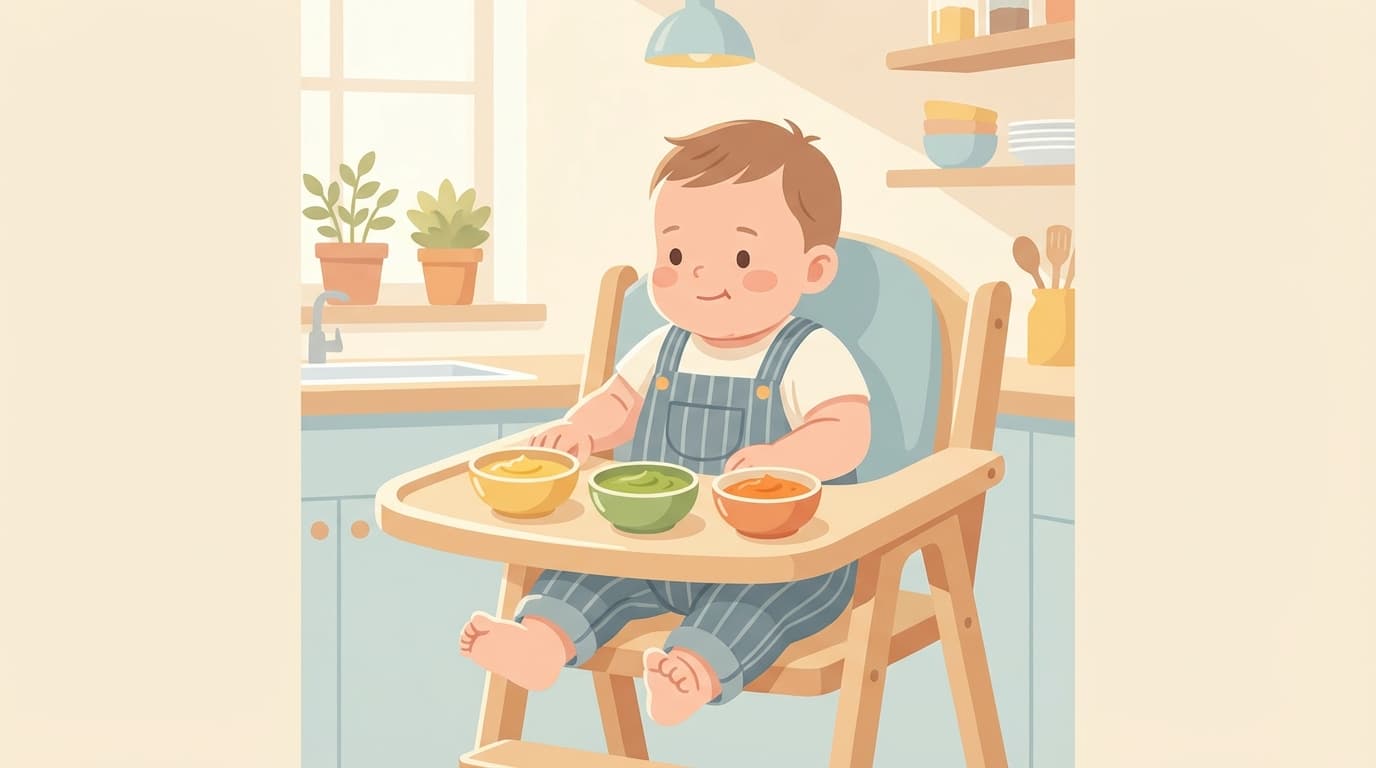
The best first foods for babies include mashed banana, pureed sweet potato, avocado, and iron-fortified oat cereal -- the specific order doesn't matter much, according to the AAP. What does matter is introducing common allergens like peanuts early (around 6 months), since the landmark LEAP study showed an 81% reduction in peanut allergy from early exposure.
The standard first food used to be rice cereal mixed into a bottle. Pediatricians recommended it for decades. Then the FDA found elevated levels of inorganic arsenic in rice cereal and proposed limits in 2016. The recommendation quietly changed. Most doctors now suggest starting with something else.
When to start
The CDC recommends introducing solid foods around 6 months, though some babies are ready as early as 4 months. The signs are physical, not calendar-based:
- Sitting upright with support and holding their head steady
- Opening their mouth when food comes toward them
- Moving food from a spoon into their throat instead of pushing it out with their tongue (the tongue-thrust reflex fading)
If your baby can't do all three, they're not ready, regardless of age. A 4-month-old who grabs at your plate is curious, not hungry for solids.
The order of first foods barely matters
This might be the most overthought part of starting solids. Parents spend hours researching whether to start with avocado or sweet potato, single-ingredient or mixed, homemade or store-bought.
The AAP's guidance on HealthyChildren.org is vague about order on purpose. There's no evidence that introducing vegetables before fruit prevents a sweet tooth. There's no evidence that starting with green vegetables first leads to better eating habits later. These are persistent myths without data behind them.
What does matter: one new food at a time, with 2-3 days between introductions, so you can identify reactions. That's the only real rule about sequence.
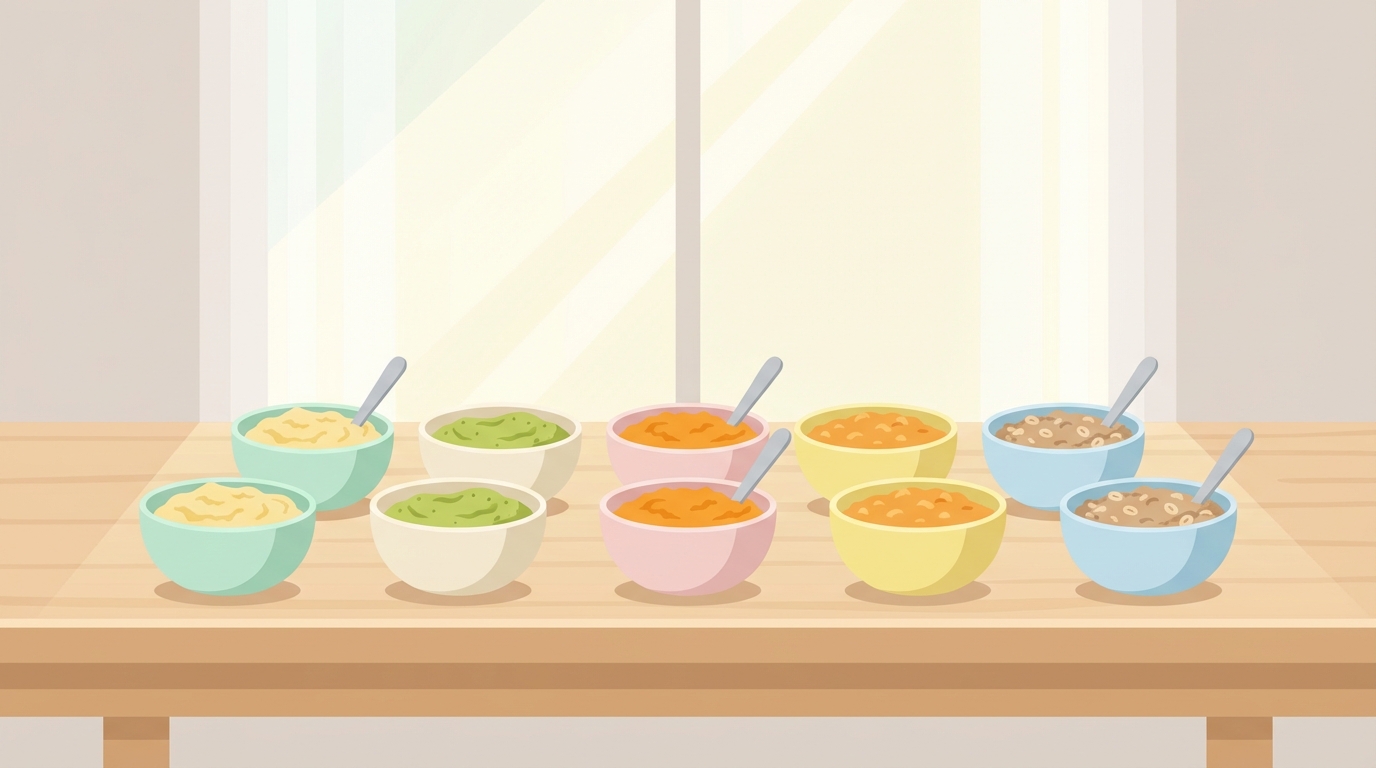
Good starter foods include mashed banana, pureed sweet potato, avocado, butternut squash, and iron-fortified oat cereal (not rice). Iron matters because babies start to deplete the iron stores they were born with around 6 months. The WHO recommends iron-rich foods as a priority when starting complementary feeding.
Allergens: the advice did a 180
Talk to your pediatrician before introducing major allergens, especially if your baby has eczema, a family history of food allergies, or was born premature.
This is the part that actually matters, and where many parents are working from outdated information.
Until about 2015, the standard advice was to delay common allergens. Don't introduce peanuts until age 3. Hold off on eggs until 1. Keep seafood out of the picture as long as possible. This made intuitive sense, and it was dead wrong.
The LEAP study, published in the New England Journal of Medicine in 2015, changed everything. Researchers at King's College London enrolled 640 infants considered high-risk for peanut allergy (because they had severe eczema or egg allergy). Half were given peanut protein regularly starting between 4-11 months. Half avoided it completely. By age 5, the group that ate peanut early had an 81% lower rate of peanut allergy.
An 81% reduction in peanut allergy from early introduction alone.
The AAP updated their guidance based on this and subsequent studies. The current recommendation: introduce peanut-containing foods (not whole peanuts, which are a choking hazard, but thinned peanut butter or peanut puffs) starting around 6 months, or as early as 4-6 months for high-risk babies. The same principle applies to eggs, tree nuts, soy, wheat, fish, and shellfish. Early and regular exposure reduces allergy risk.
For babies with severe eczema or an existing egg allergy, the AAP recommends testing for peanut allergy before introduction, which usually means a blood test or skin prick test at the allergist's office. For everyone else, just start.
Baby-led weaning vs. purees
The debate between spoon-feeding purees and baby-led weaning (BLW), where babies feed themselves soft finger foods from the start, generates a lot of opinions online. The evidence is less dramatic.
A randomized controlled trial in New Zealand (the BLISS study) compared baby-led weaning with traditional spoon-feeding and found no significant difference in choking risk, provided parents were educated about safe foods and sizes. Weight outcomes and nutrient intake were similar between groups at 12 months.
In practice, most families end up doing a mix. Purees are easier when you're out, when the baby is tired, or when you need them to actually get calories in. Self-feeding with soft strips of banana, steamed broccoli, or toast fingers is great for motor skills and letting the baby explore textures.
The one real concern with pure BLW is iron. Babies who exclusively self-feed may get less iron than babies who also eat iron-fortified purees, because finger foods don't deliver iron as efficiently as fortified cereal mixed with breast milk or formula. If you're doing BLW, make sure iron-rich foods (strips of well-cooked meat, lentil patties, hummus) are part of the rotation.
What to skip entirely
Some foods are genuinely unsafe in the first year:
- Honey. Not before 12 months. Risk of infant botulism. This isn't overcautious parenting. The CDC is clear about this one.
- Whole nuts, whole grapes, popcorn, raw carrots, hot dog rounds. Choking hazards based on shape and texture. Nuts can be given as butter; grapes should be quartered lengthwise.
- Cow's milk as a main drink. Small amounts in cooking are fine. As a drink replacing breast milk or formula, not until 12 months. Your pediatrician may have different guidance based on your baby's specific needs. The AAP explains that cow's milk doesn't have enough iron and has too much protein and sodium for infant kidneys.
- Added salt and sugar. Baby food doesn't need either. Their palates are blank slates. Don't set the baseline at sweet or salty.
The texture progression nobody tells you about
The texture timeline matters more than which specific foods you pick.
Start with thin, smooth purees around 6 months. By 7-8 months, mash the food instead of blending it. Leave some small lumps. By 9-10 months, offer soft, small pieces they can pick up. By 12 months, most babies can eat what the family eats, cut small and soft.
The reason this matters: babies who aren't exposed to textured foods by about 10 months have a harder time accepting them later. There's a window for learning to chew and manage lumps, and if you stay on smooth purees too long, you miss it. This doesn't mean your 7-month-old needs steak. It means don't blend everything until it's liquid for six straight months.

The mess is the point
Babies who play with their food, smear it on their face, squish it between their fingers, and drop it on the floor are learning. They're figuring out textures, temperatures, and what happens when you squeeze a blueberry. It looks like chaos, and it is, but it's also sensory development happening in real time.
Put a mat under the high chair. Strip them down to a diaper if it's warm enough. Accept that the first few months of solids are not about nutrition (breast milk or formula is still providing most of their calories) and more about exposure and practice.
Tracking what you've introduced
The 2-3 day wait between new foods is easy to track in week one. By week six, when you've introduced 15 different foods and can't remember if you've tried lentils yet, it gets harder.
Aanvi lets you log these alongside photos and milestones on a single timeline, so when your pediatrician asks "any food reactions?" at the 9-month visit, you can actually answer with dates instead of guesses. The Food Introduction Guide has a checklist organized by age and food group if you want a starting framework.
Common Questions
When should a baby start eating solid food?
The CDC recommends introducing solids around 6 months, though some babies are ready as early as 4 months. Look for physical signs: sitting with support, opening their mouth for food, and the tongue-thrust reflex fading. All three need to be present before starting.
What are the best first foods for a baby?
Good starter foods include mashed banana, pureed sweet potato, avocado, butternut squash, and iron-fortified oat cereal. The AAP says the specific order doesn't matter -- just introduce one new food at a time with 2-3 days between each to watch for reactions.
Should I introduce peanuts to my baby early?
Yes. The LEAP study published in the New England Journal of Medicine found that early peanut introduction (around 4-11 months) reduced peanut allergy risk by 81%. The AAP now recommends introducing peanut-containing foods around 6 months. Babies with severe eczema or egg allergy should be tested first.
Is baby-led weaning safer than purees?
Research shows no significant difference in choking risk between baby-led weaning and spoon-feeding, according to the BLISS study from New Zealand. Most families end up doing a mix of both. If you go full BLW, make sure iron-rich finger foods are in the rotation since they deliver less iron than fortified purees.