

Every baby proofing checklist on the internet is 47 items long and treats outlet covers with the same urgency as anchoring your dresser to the wall. They are not the same. One is a minor electrical risk that rarely causes serious injury. The other kills a child roughly every two weeks in the United States, according to the CPSC.
If you only have one afternoon to baby proof, this is the order that matters.
The stuff that actually kills kids
Three hazards account for most serious injuries and deaths in children under 5 at home: furniture tip-overs, poisoning, and drowning.
Furniture and TV tip-overs are the one that surprises people. Between 2000 and 2020, the CPSC recorded 472 child fatalities from TVs, dressers, and appliances falling on kids, out of 581 total tip-over deaths across all ages. The fix costs under $20: anti-tip straps, screwed into the wall and the back of the furniture. Every dresser, bookshelf, and freestanding TV needs one. This should be the first thing you do, before the baby is even mobile.
Poisoning sends an estimated 66,100 children under 5 to the ER each year, according to the CPSC's 2025 report on pediatric poisoning. The worst offenders aren't cleaning products (those taste terrible, so kids spit them out). They're medications, especially grandma's pill organizer left on the nightstand, laundry detergent pods that look like candy, and button batteries. Move all medications to a high, locked cabinet. Get rid of the pill organizer on the counter. Put laundry pods in a latched container on a high shelf.
Drowning is the leading cause of death for children ages 1 to 4. This mostly applies to pools and open water, but bathtubs count too. Never leave a baby alone in the bath, not even for 30 seconds to grab a towel. An inch of water is enough.
The next tier: high-value, low-effort fixes
Once the lethal risks are handled, these are the changes that prevent the most ER visits per minute of effort:
-
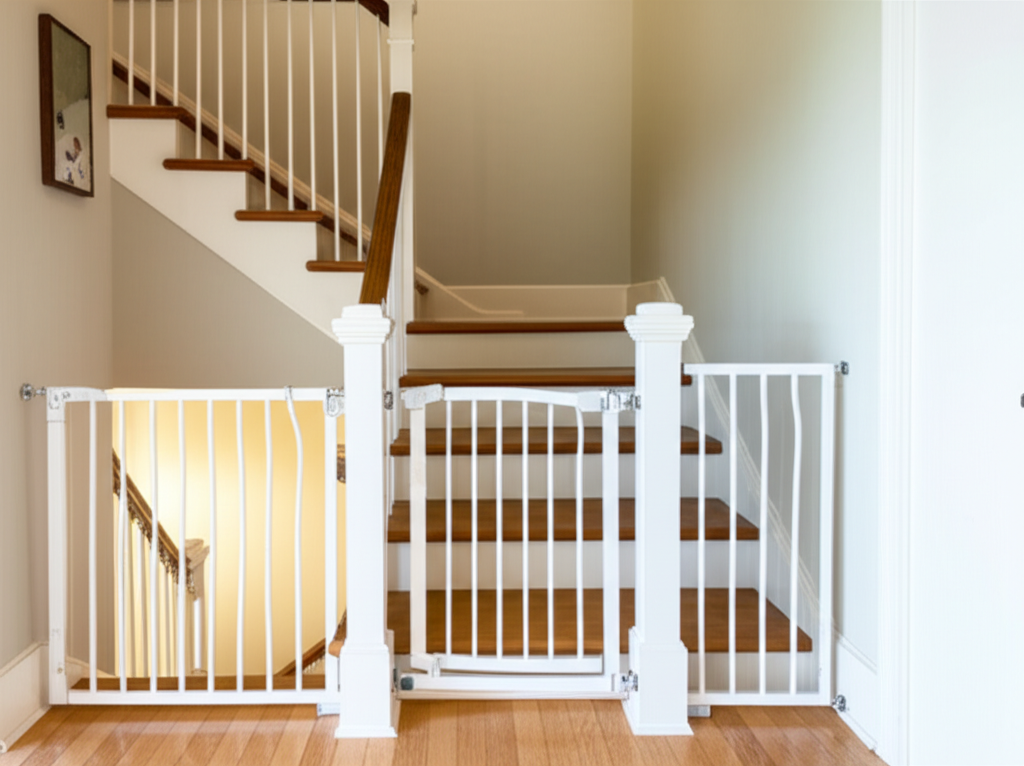
Baby gates at the top and bottom of stairs. Hardware-mounted, not pressure-mounted, at the top. Pressure-mounted gates can give way if a kid pushes hard enough, and the top of the stairs is not where you want that to happen.
-
Hot water temperature to 120°F (49°C). The CPSC recommends 120°F or below. Check your water heater. Many are set to 140°F out of the box, which can cause a third-degree burn in under five seconds. Turn it down once.
-
Blind cord removal. Looped cords on window blinds are a strangulation hazard. The CPSC reports roughly nine child strangulation deaths per year from window covering cords. If you have old blinds with looped pull cords, replace them with cordless versions or install cord cleats up high.
What can wait
Not everything needs to happen before the baby comes home. Some of this can wait until they're actually crawling (around 6 to 9 months, per the CDC).
Outlet covers fall into this category. Yes, get them. But a standard outlet with the newer tamper-resistant (TR) design, required in all new U.S. construction since 2008, already makes it very difficult for a child to stick something in. If your home was built or renovated in the last 15 years, your outlets probably have this built in. The cheap plastic plug covers are fine for older outlets, but this is not the emergency that baby proofing listicles make it sound like.
Cabinet locks in the kitchen and bathroom are good once the baby is pulling up and opening things, usually around 9 to 12 months. You don't need to do every cabinet. Focus on under the sink (cleaning products) and any cabinet with sharp objects or glass. The spice cabinet and the one with tupperware? Leave those unlocked. Babies love pulling out tupperware. It keeps them busy and nothing in there will hurt them.
Toilet locks are in the overkill category for most families. Yes, a toddler can theoretically drown in a toilet. In practice, keeping the bathroom door closed or gated handles this more effectively than a plastic clip on the lid that adults will stop using after a week.
The timing question
Start with furniture anchoring and medication storage before the baby arrives or in the first few weeks. You'll have more time and energy then than you will at 6 months when the baby is about to start moving.
Do stair gates and water temperature in the 4-to-6 month window, before crawling starts. Everything else can roll out as the baby's mobility increases. You don't need to do it all in one weekend.
Most parents end up baby proofing in waves: the panic wave when the baby first rolls off the couch, the crawling wave when they discover the dog's water bowl, and the walking wave when they realize the toddler can reach the kitchen counter by climbing the drawer handles. Each stage reveals new hazards that weren't relevant before.
What you can skip entirely
Some things on baby proofing lists exist to sell products, not to prevent injuries.
Edge bumpers on coffee tables sound reasonable until you realize they peel off within days, the baby eats the adhesive strip, and the actual injury risk from a coffee table corner is a bump. Kids bump into things. It's how they learn spatial awareness. Unless you have a genuine sharp metal edge, skip the foam bumpers.
Doorknob covers are supposed to keep kids out of rooms. A baby gate or a simple hook-and-eye latch at the top of the door works better. Doorknob covers are hard for adults to use, which means nobody uses them.
Stove knob covers are debatable. If your stove has front-mounted knobs at toddler height and they're easy to turn, yes. If the knobs are on the back panel, don't bother.
The Baby-Proofing Checklist on Aanvi walks through this room by room if you want a structured approach. It prioritizes by risk level instead of treating everything as equally urgent.